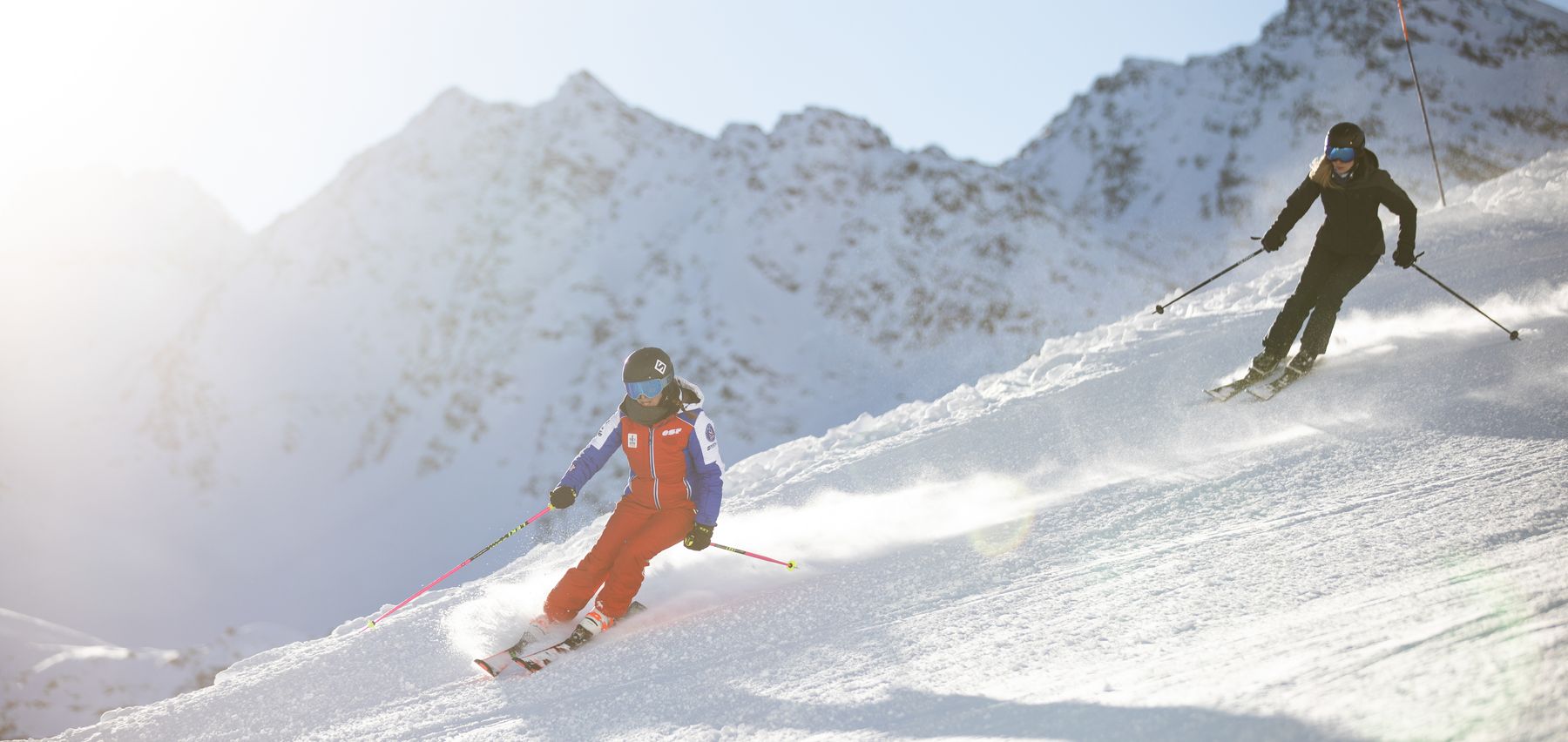
Do you really know all the safety rules on the slopes?
Published on 08/12/2023 - Written by Coline
Preventing the risk of accidents is essential if you want to enjoy winter sports with complete peace of mind. By following certain safety rules on the slopes, you can limit the chances of an incident happening to you or to other skiers.
Put on your wetsuit and helmet and enjoy a carefree holiday by following our advice!
The International Ski Federation's rules of good conduct
You may not know it yet, but to ensure the safety of every skier on the slopes, the International Ski Federation (FIS) has drawn up a list of 10 rules of good conduct:
- Behave in such a way as not to endanger others.
- Control your speed and adapt your movements to your environment.
- Choose a trajectory that ensures the safety of skiers downstream.
- Overtake wide enough to anticipate the trajectories of others.
- Control the piste or practice area so that you can take off safely.
- Do not park in narrow passages and clear the piste quickly in the event of a fall.
- Walk up and down the slopes using the edges.
- Respect the markings and signs.
- Help anyone who has had an accident.
- Identify yourself if you are involved in or witness an accident.
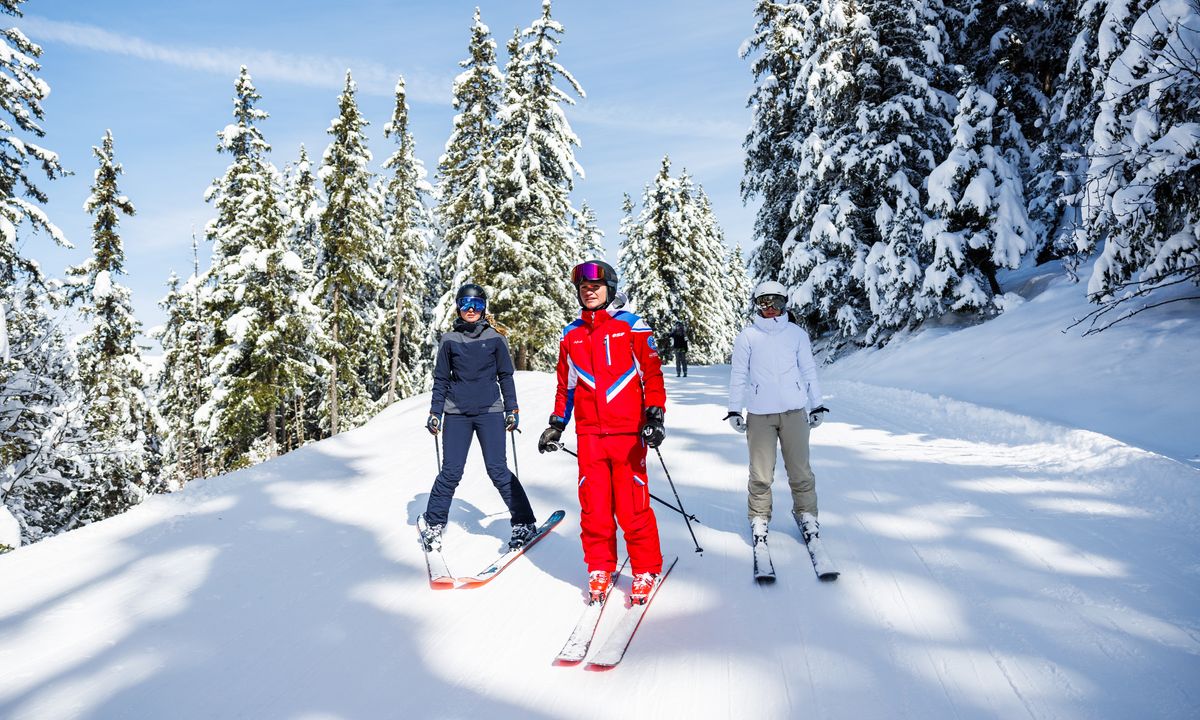 Learn to ski safely
Instructors to help you ski with confidence
Taking lessons with an instructor can be an effective way of applying these rules and incorporating them effectively into your skiing. In fact, skiing on your own is not easy for everyone, so practising in a safe environment will help you to learn, progress and perform without any problems.
Private lessons or group lessons, it's up to you to choose the formula that suits you best to familiarise yourself with all the safety protocols on the piste. So you can enjoy Méribel's exceptional scenery in the best possible conditions!
Listen to yourself and respect your limits
On average, accidents on the ski slopes are more frequent in the late morning, at midday and in the late afternoon, in other words, when you are most tired. Winter sports demand a lot of energy and can quickly leave you in a state of exhaustion. Your alertness and concentration decline at this time. So it's vital to listen to your body so as not to take unnecessary risks.
So don't force yourself to carry on if you don't feel up to it, and don't go skiing on slopes that are above your skill level.
 Treat yourself to a tailor-made apprenticeship with esf!