
Rock climbing with peace of mind
Rock climbing: safety rules you need to know
Published on 20 June 2024 – Written by Mélisande
During the summer months, rock climbing is one of the most popular activities in the mountains, particularly in Méribel. If you’d like to make the most of your week’s holiday with family or friends by enjoying the pleasures of rock climbing, it’s essential to be fully aware of and follow the safety guidelines to ensure you can climb safely.
Whether you’re new to climbing or a seasoned climber, we invite you to discover the best practices for mountain climbing.
Find out about the risks involved in climbing
Whether you climb on your own or with an instructor, competitively or for leisure, this sport encompasses three distinct disciplines: bouldering, lead climbing and speed climbing. Bouldering involves climbing a low wall secured by crash pads to cushion a climber’s fall when necessary.
If you’d like to give this discipline a go, bear in mind that it can be practised on a variety of structures, both artificial and natural. Lead climbing, on the other hand, involves climbing a very tall structure using a rope.
Finally, speed climbing is based on the same principles as lead climbing, except that the aim is to climb the wall as quickly as possible.
Whichever discipline you wish to excel in, you’ll need to equip yourself with ropes, harnesses, carabiners and climbing harnesses to ensure your safety. As this sport remains particularly dangerous and can have very serious consequences in the event of an accident, knowing the safety rules and following them is essential to ensure you can enjoy your training without taking any risks.
Whichever discipline you wish to excel in, you’ll need to equip yourself with ropes, harnesses, carabiners and climbing harnesses to ensure your safety. As this sport remains particularly dangerous and can have very serious consequences in the event of an accident, knowing the safety rules and following them is essential to ensure you can enjoy your training without taking any risks.
 Book your climbing experience with esf MéribelMontagne Expériences by esf paves the way for you!
Follow the safety rules to ensure you can climb safely
To climb independently, you need to be familiar with and follow the various safety techniques. One of the best ways to learn the safety rules is to take your first steps in climbing with an esf Méribel instructor, who will train you in this sport. Both beginner and experienced climbers must not overlook the safety rules established by the Ministry of Sport and the Board of Directors of the French Mountaineering and Climbing Federation (FFME).
Choose climbing routes that are suited to your level of experience
Whether you’re new to climbing or a seasoned climber, it’s essential that you choose climbing routes that suit your level of experience and that of your climbing partners.
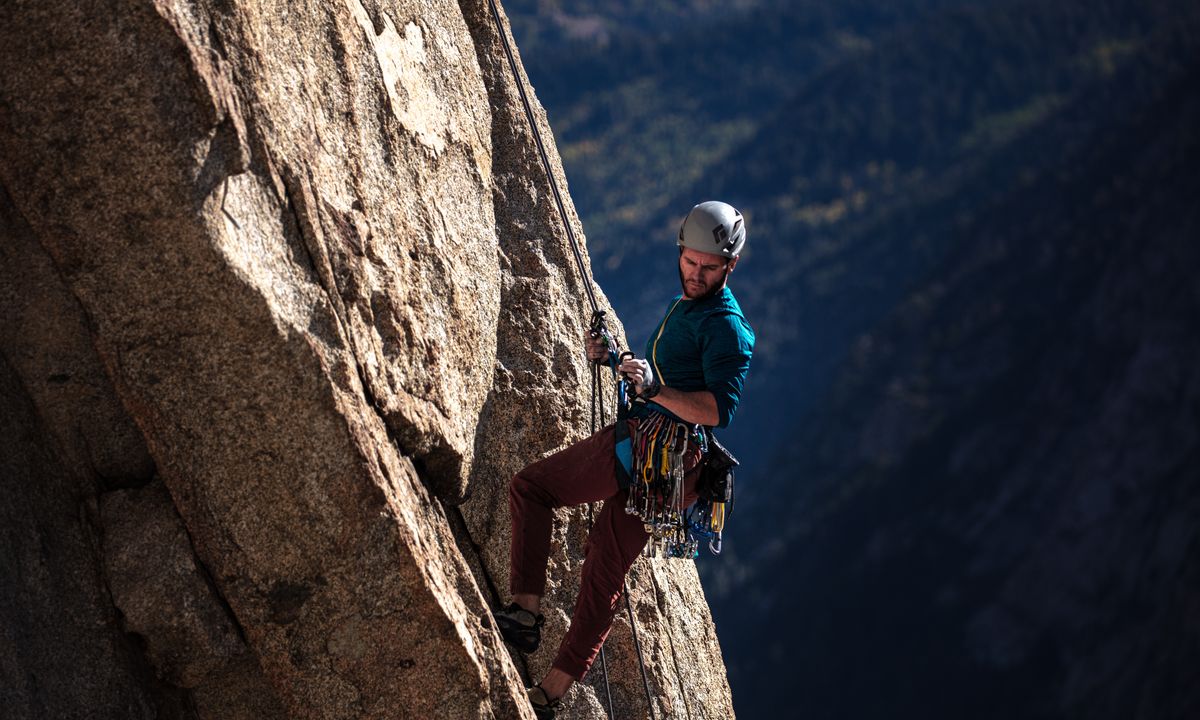
Wear a helmet
In the event of a fall, a helmet can reduce the severity of your injuries and may even save your life. That is why you must not neglect the safety equipment you need to wear whilst climbing. Furthermore, wearing a helmet is compulsory for all FFME professionals.
Use equipment in excellent condition
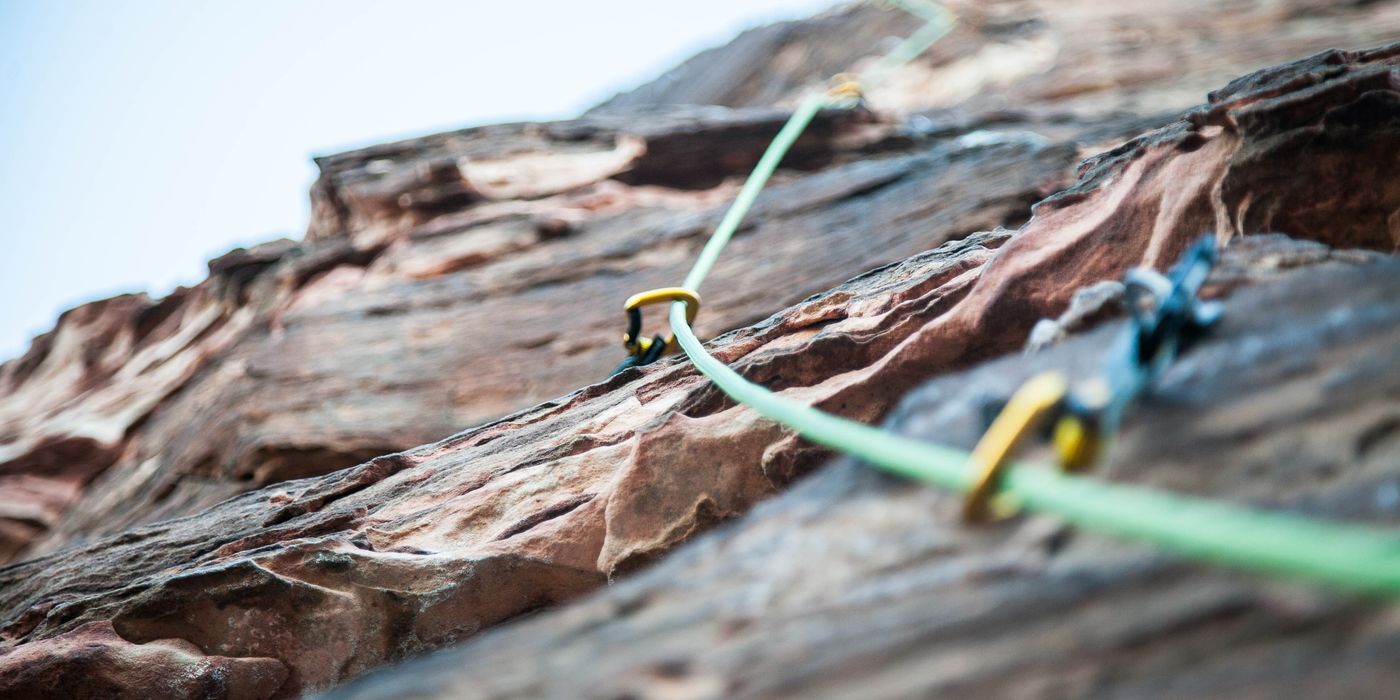
All the equipment you are planning to buy for climbing must bear the CE mark, which certifies that it complies with the European safety standards governing mountaineering and climbing equipment. This way, you’ll have high-quality equipment that will ensure your safety during your climb.
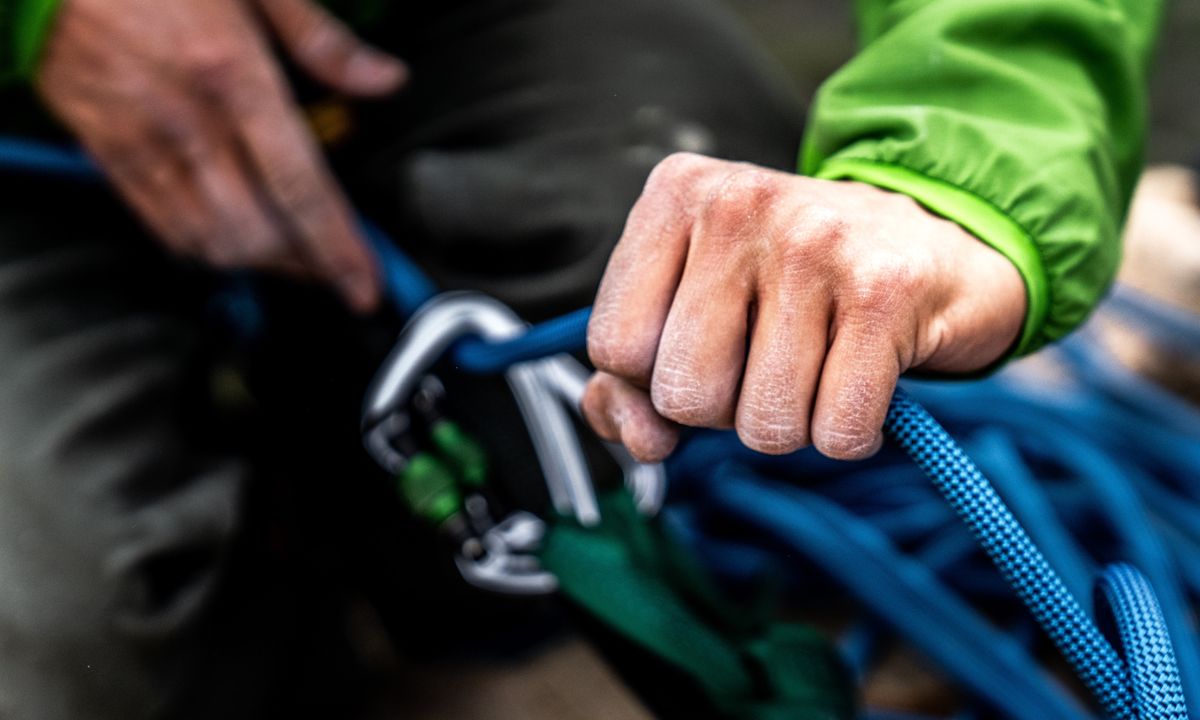
Tie a figure-of-eight knot and a stopper knot to attach the rope
Tying in requires your full attention, which is why you mustn’t let yourself get distracted whilst you’re getting ready. During this process, it’s even recommended that you ask your climbing partner to check your belay system to make sure you haven’t missed any steps.
Staying focused
When you are responsible for belaying your partner, concentration is essential to minimise the risk of a fall. Given the serious risks involved if you lose focus whilst climbing, we recommend that you remain extremely vigilant throughout your climb.
 Book your esf activity Méribel has a new playground for you this summer!